






Small Construction Projects: Should You Choose a Wheel Loader or a Backhoe Loader? A Comparative Buying Guide
Content
Every contractor knows the feeling. You are standing on a fresh job site, looking at the clock, and wondering if you brought the right machine for the job.
On small-scale jobs, backhoe loader or wheel loader? Choosing the wrong machine for a muddy yard or a tight driveway, and you’ll waste fuel while work slows down.
The decision really boils down to how your crew spends its hours. A compact wheel loader is built for pure speed when moving piles from one spot to another. A compact backhoe loader slows that front-end loading down just a bit, but hands you a rear bucket that digs ditches and opens ground.
Here is how these two machines actually stack up once the engine starts and materials starts moving.
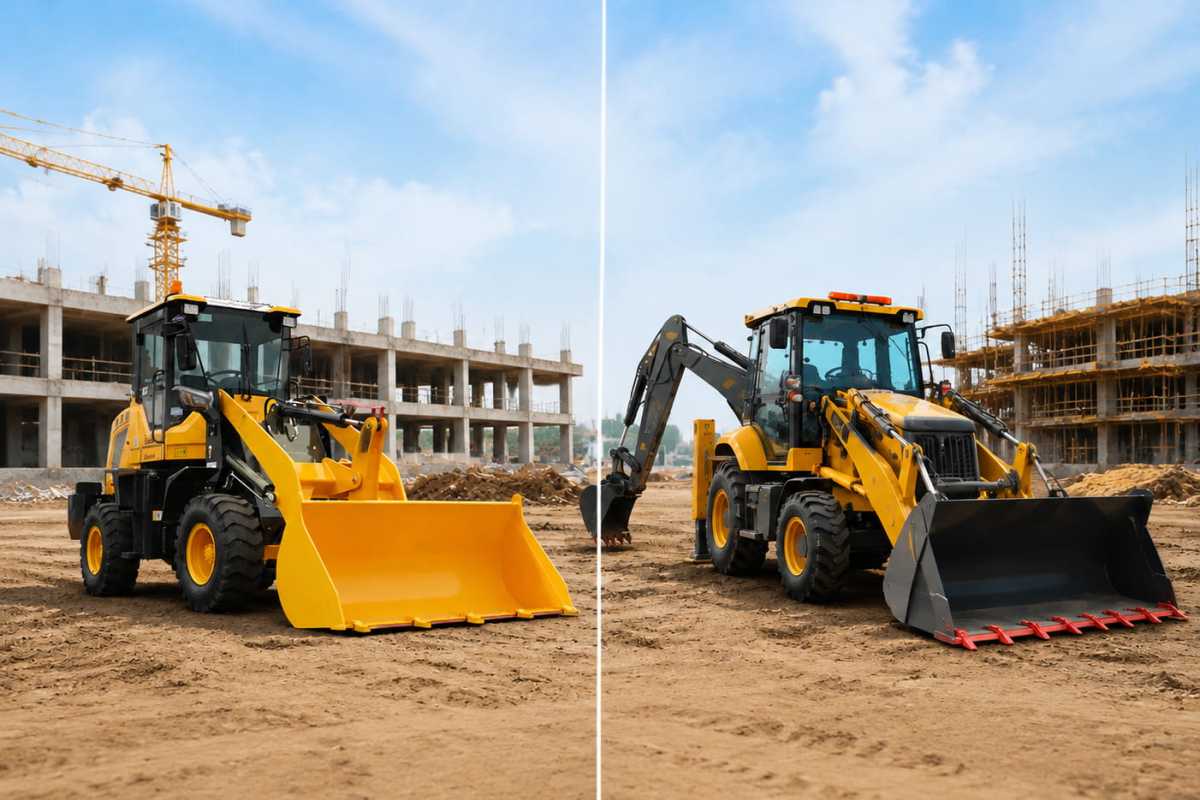
Understanding the Compact Wheel Loader
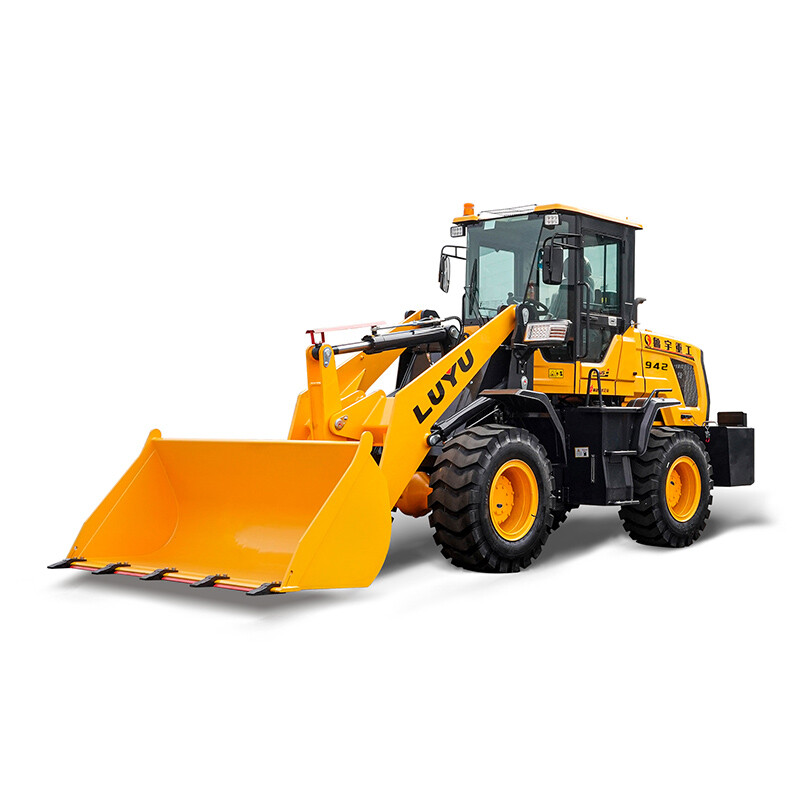
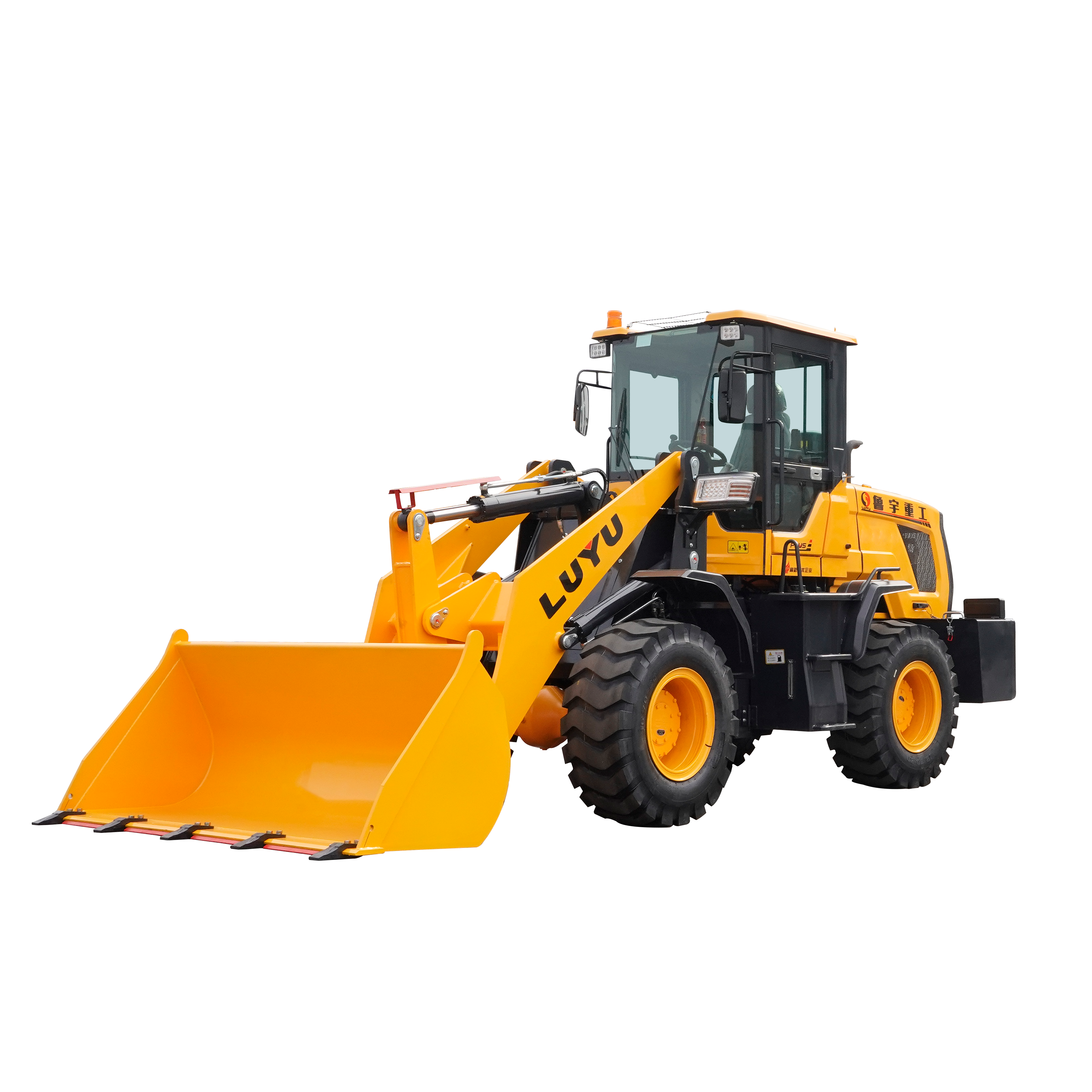
A compact wheel loader does one job better than almost anything else on tires: picking up loose material, driving it across the lot, and dumping it.
In busy yard, farm building, or confined residential sites, these machines run circles around bigger gear. A short wheelbase and an articulated steering system allow the operator maneuver around fence lines or stacked pallets without tearing up the ground or hitting walls. Up front, the hydraulic arms give you strong breakout force to push straight into heavy piles of gravel or wet topsoil.
Why Contractors Buy Wheel Loaders
Cycle Times: If you need to fill three tandem trucks before lunch, a wheel loader gets it done faster than anything else.
Tight Lot Mobility: Short wheelbases make turning in small driveways or narrow barn alleys simple.
Fewer Greasing Points: No backhoe arm out back means fewer hydraulic hoses that may fail, fewer pins to grease, and lower repair bills every month.
Everyday Wheel Loader Applications
n Hauling crushed rock and sand across job sites
n Loading topsoil into delivery trucks
n Leveling gravel bases for driveways and pads
n Moving bulk feed, grain, and fertilizer on farm sites
n Removing manure and cleaning barn floors
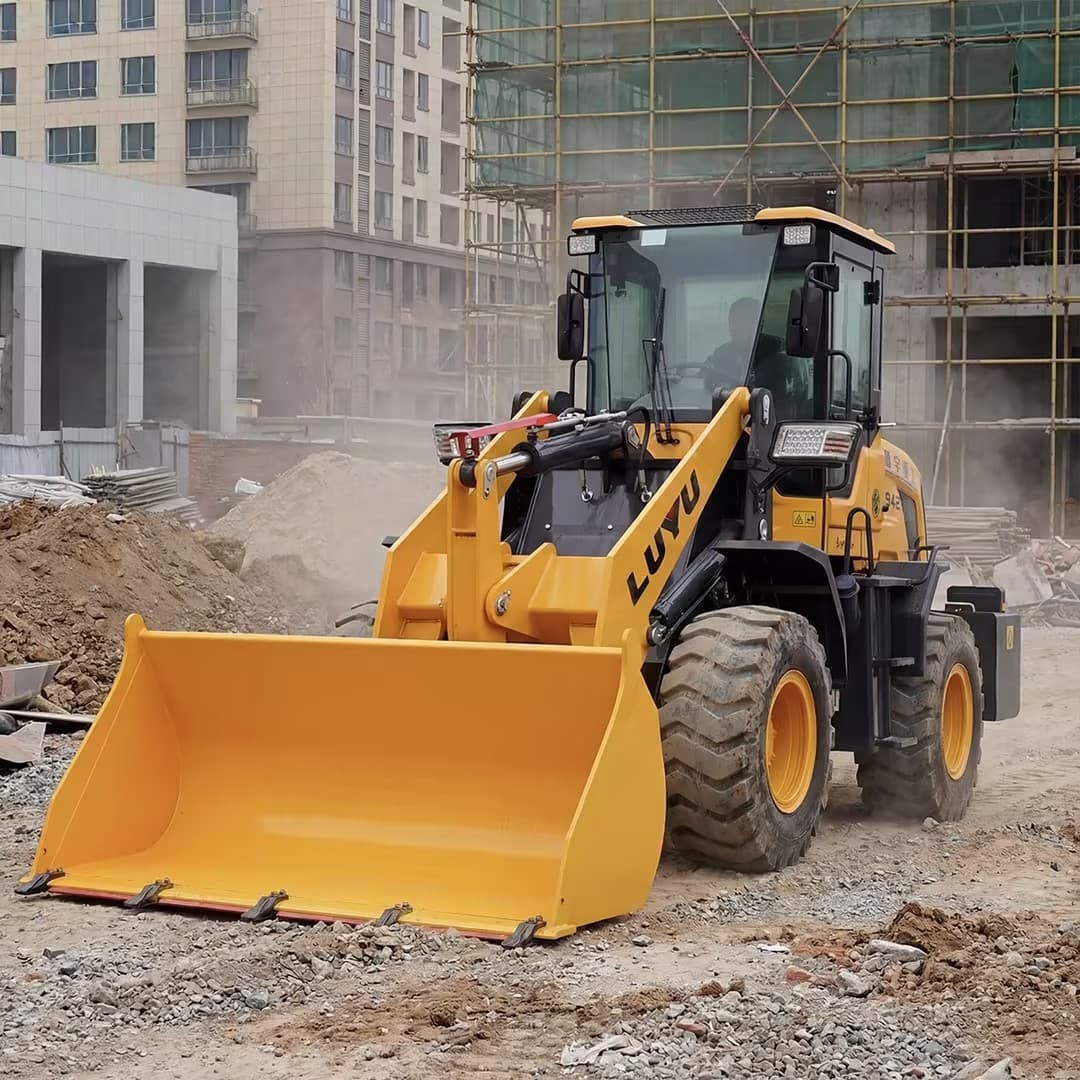
Understanding the Backhoe Loader
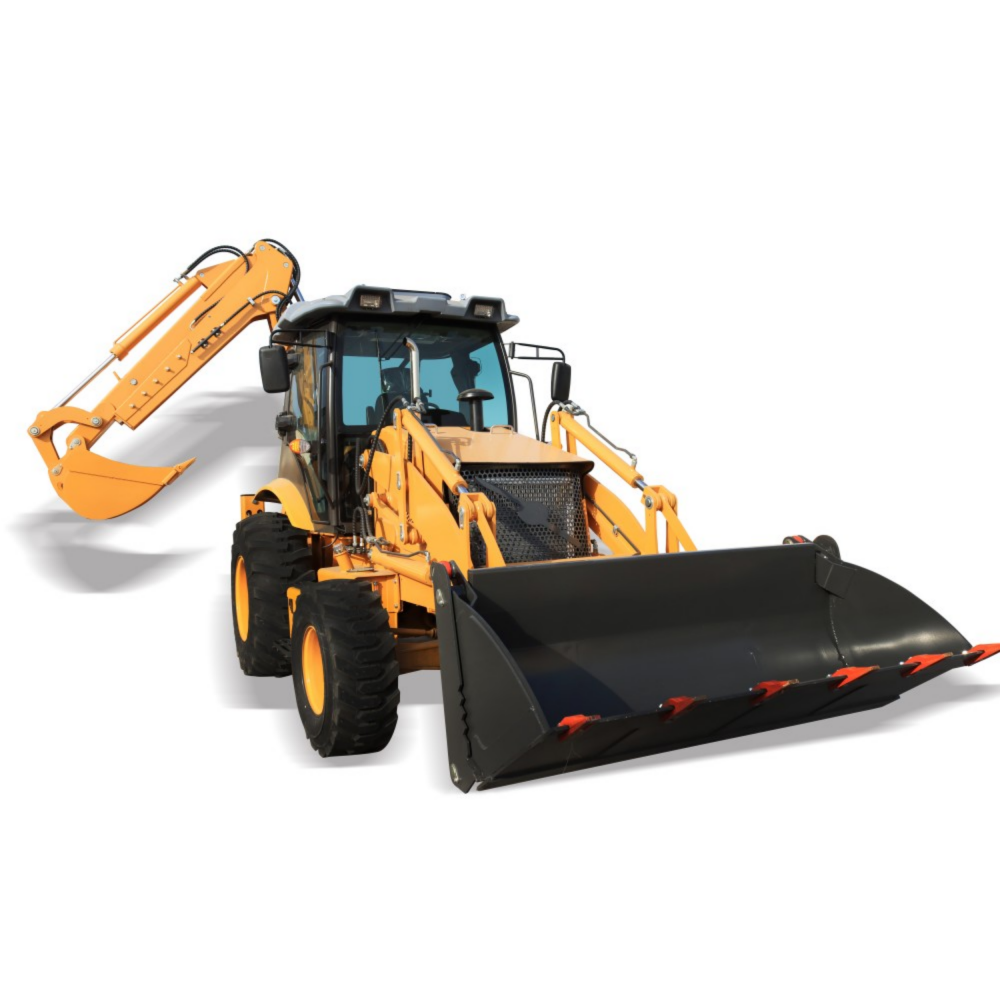
A compact backhoe loader is essentially a compromise—a front loader and a rear-mounted backhoe powered by the same diesel engine, all sharing one diesel engine.
Instead of sending two operators and towing two machines to a utility job, one contractor can send one operator with a backhoe loader to handle the entire sequence. You can dig the hole, flip the seat around, and fill it back in.
Why Crews Keep Backhoes Around
Dig and Fill with One Engine: Cut a water line trench with the back bucket, spin the operator’s seat 180 degrees, and push the dirt back in using the front bucket.
Handles Varied Tasks: Perfect for small contractors who take on whatever job comes in on Monday morning.
Lower Fleet Overhead: Investing one machine costs less than two separate units.
Common Applications
n Trenching for water mains, power lines, and drainage
n Cutting out small footings for garage slabs
n Ripping up broken asphalt on street repair jobs
n Clearing stumps, brush, and fence lines
n Repairing rural farm ditches
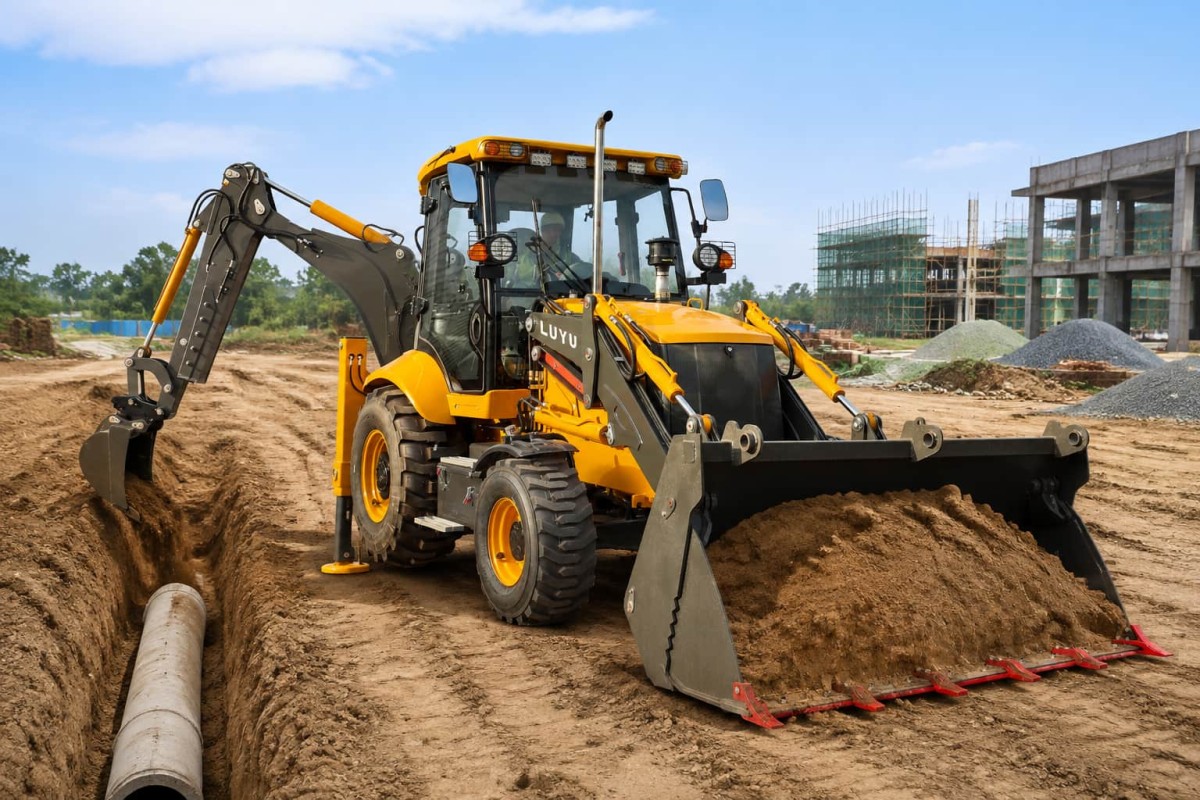
Comparing the Two: Real-World Site Differences
Line up a backhoe loader and a wheel loader on the same lot, and their actual roles diverge immediately.
Loaders are built around cycle speed and bucket capacity. Put one in a quarry or gravel yard, and it keeps trucks rolling without stopping. Controls are dead simple, meaning new operators get up to speed in a couple of shifts.
Backhoes trade away some of that front-end bucket speed for rear digging power. They take more operator finesse to run efficiently, but they replace a second machine entirely.
Need to scoop, carry, and dump material all day long? Go with a compact wheel loader.
Need to break ground, dig trenches, and bury pipe before using the loader bucket? The compact backhoe loader wins hands down.
How to Pick the Machine That Earns Its Keep
To figure out which unit pays off faster, look at your actual work logs instead of spec sheets.
What dominates your weekly schedule?
If most of your billable hours go to typical wheel loader applications—shoveling gravel, feeding hoppers, or clearing dirt—a wheel loader completes those cycles fast and keeps maintenance cheap.
Do your jobs often begin with excavation work? Installing water lines, excavating concrete footings, or pulling stumps may leave a wheel loader, sitting useless until a digger arrives. A backhoe handles those jobs solo.
Where are your job sites located?
Work concentrated at a fixed site, such as a yard, quarry, or residential development favors the speed of a wheel loader.
If your team moves constantly from site to site fixing utility lines or tackling farm repairs, a backhoe gives you total site independence without towing extra equipment.
What does your equipment budget look like?
Wheel loaders mean lower upfront costs, fewer grease fittings, and lower hydraulic upkeep over time.
A backhoe costs more up front and takes extra maintenance out back, but it spares you the capital expense of buying a separate mini-excavator.
Making Your Equipment Investment Count
Picking between a compact wheel loader and a backhoe comes down to raw productivity: getting the job done on time without burning unnecessary fuel or capital.
Before placing an order, run through your actual operating needs:
n Core project types on your slate for the coming year
n Average operating hours you expect to log each day
n Transport logistics, towing capacity, and site clearance limits
n Hydraulic flow and breakout force demands for your heaviest materials
n Dealer coverage, parts stock, and repair turnaround times
Match the machine to your actual ground conditions, and the iron will take care of your profit margins.
As an experienced manufacturer of compact equipment, LUYU machinery engineers dependable wheel loaders and backhoe loaders built to handle tough agricultural, municipal, and private construction work day in and day out.
Final Thoughts
Neither machine is objectively “better”—they simply tackle different job site problems.
A compact wheel loader brings raw haulage speed, low upkeep, and rapid cycles to material-handling jobs. A backhoe loader brings flexibility, combining two core job-site functions in one machine.
Look closely at where your crew loses time during a busy week. Choose a machine that directly addresses that bottleneck, and you will get the strong return on investment your business expects.
Compartilhar para :


Etiqueta :
Consulta
Nosso gerente entrará em contato com você dentro de 30 minutos durante o horário de trabalho.
Produtos relacionados
 Carregadeira Retroescavadora LY388A
Motor Yuchai4105T Peso Total(kg) 8200/8500 Carga nominal(kg) 2500 Dimensões(mm) 6150*2350*3763  LY942 Carregadeira Compacta sobre Rodas
Tipo de Motor YN 76KW/103HP Carga nominal 2200kg Altura de despejo 3500mm Capacidade da caçamba 1m³  LY946 Mini Wheel Loader
Motor YN48T 92KW/123HP Carga nominal 2500kg Altura de despejo 3500mm Capacidade da caçamba 1.1m³  Escavadeira Carregadeira LY388
Motor Yudong4105 Peso total (kg) 8320 Carga nominal (kg) 2500 Dimensões (mm) 6150*2350*3763

Envie sua consulta